
Ground calcium carbonate products
Five product lines of natural calcium carbonate, from raw lump to ultrafine powder.
The basics
What is calcium carbonate?
Calcium carbonate, with the formula CaCO3, is the main mineral in limestone and marble. It is white, soft and chemically stable. Those qualities make it a standard filler, extender and soil conditioner.
Ground calcium carbonate (GCC)
GCC is made by crushing and milling natural limestone or marble. The particles are irregular in shape, and the purity and whiteness depend on the stone it comes from. It is the most widely used form of CaCO3 in industry, and every product in our range is GCC.
Precipitated calcium carbonate (PCC)
PCC is made by a chemical process instead of by grinding stone. It is finer and more uniform in particle size and shape, and it generally costs more. It is explained here so you can tell the two apart. Khattco’s range is GCC.
Product range
Choose the form that suits your process.
Lumps and chips are crushed and sized. The powders are milled and graded by fineness, either uncoated or coated with stearic acid.
- Photograph to comeCalcium carbonate lumps
Calcium Carbonate Lumps
Raw selected white stone for buyers who grind their own, and for glass, steel and lime production.
- 50 to 300 mm
- Photograph to comeCalcium carbonate chips and granules
Calcium Carbonate Chips and Granules
Sized grades for terrazzo, artificial stone, animal feed grit, construction and landscaping.
- 1 to 3 mm
- 3 to 5 mm
- 5 to 10 mm
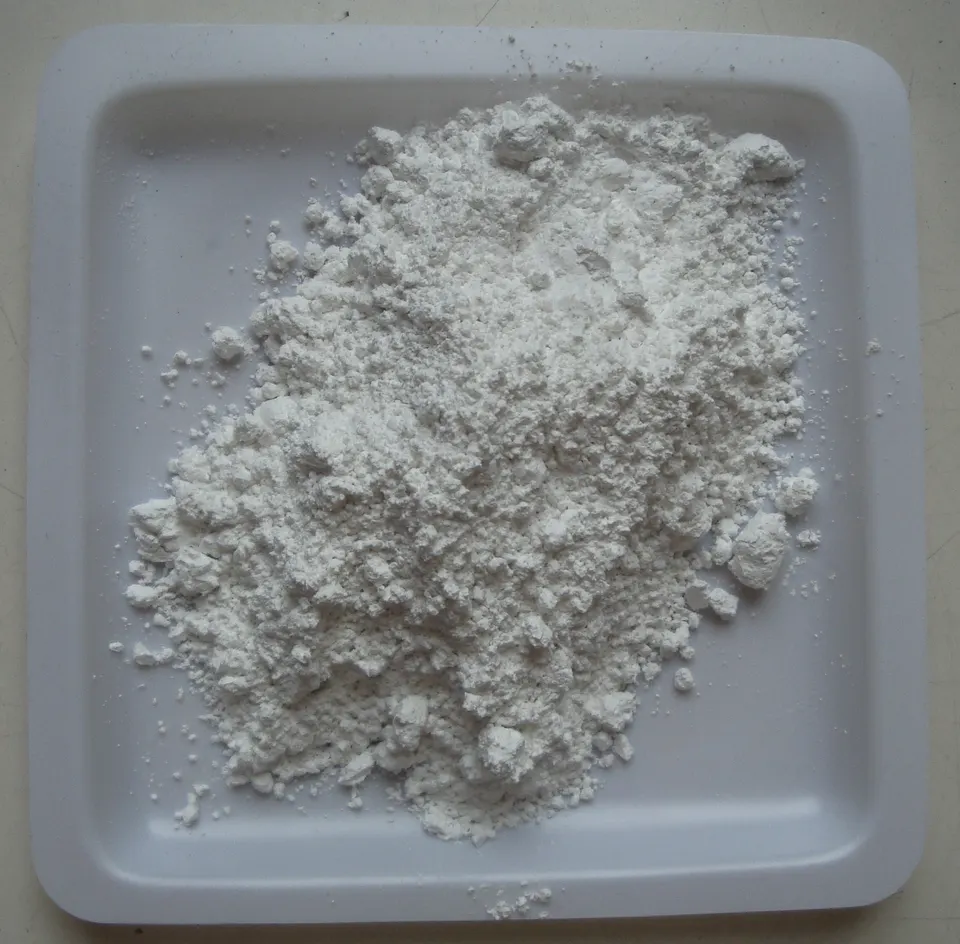
Uncoated Calcium Carbonate Powder
Ground to mesh grades for paint, paper, putty, adhesives, ceramics and rubber.
- 200 mesh (about 75 microns)
- 2500 mesh (about 5 microns)
- Photograph to comeCoated calcium carbonate powder
Coated Calcium Carbonate Powder
Surface treated with stearic acid so it repels moisture and disperses well in polymers.
- Stearic acid coated
- Mesh sizes in the quotation
- Photograph to comeUltrafine and micronised grades
Ultrafine and Micronised Grades
The finest cuts, for premium coatings, inks, sealants and engineering plastics.
- Around 5 microns and finer
Compare
Products side by side.
Sizes are typical. The exact grade and size range for your order are confirmed in the quotation.
| Product | Form | Typical size range | Main uses |
|---|---|---|---|
| Calcium Carbonate Lumps | Lump | 50 to 300 mm | Grinding by the buyer, glass, steel and lime production |
| Calcium Carbonate Chips and Granules | Sized chips and granules | 1 to 10 mm | Terrazzo, artificial stone, feed grit, construction, landscaping |
| Uncoated Calcium Carbonate Powder | Ground powder | 200 to 2500 mesh, about 75 to 5 microns | Paint, paper, putty, adhesives, ceramics, rubber |
| Coated Calcium Carbonate Powder | Surface treated powder | Mesh sizes confirmed in the quotation | PVC pipes and profiles, cables, masterbatch, plastics film, rubber |
| Ultrafine and Micronised Grades | Ultrafine powder | About 5 microns and finer | Premium coatings, inks, sealants, engineering plastics |
Calcium Carbonate Lumps
- Form
- Lump
- Typical size range
- 50 to 300 mm
- Main uses
- Grinding by the buyer, glass, steel and lime production
Calcium Carbonate Chips and Granules
- Form
- Sized chips and granules
- Typical size range
- 1 to 10 mm
- Main uses
- Terrazzo, artificial stone, feed grit, construction, landscaping
Uncoated Calcium Carbonate Powder
- Form
- Ground powder
- Typical size range
- 200 to 2500 mesh, about 75 to 5 microns
- Main uses
- Paint, paper, putty, adhesives, ceramics, rubber
Coated Calcium Carbonate Powder
- Form
- Surface treated powder
- Typical size range
- Mesh sizes confirmed in the quotation
- Main uses
- PVC pipes and profiles, cables, masterbatch, plastics film, rubber
Ultrafine and Micronised Grades
- Form
- Ultrafine powder
- Typical size range
- About 5 microns and finer
- Main uses
- Premium coatings, inks, sealants, engineering plastics
Reference
Mesh to micron guide.
Powder grades are named by mesh. A higher mesh number means a finer powder. The sizes below are approximate sieve openings.
The exact particle size distribution, including D50 and D97, is stated on the technical data sheet that comes with every quotation.
| Mesh | Approx. size | Relative size |
|---|---|---|
| 200 mesh | About 75 microns | |
| 325 mesh | About 45 microns | |
| 400 mesh | About 38 microns | |
| 600 mesh | About 23 microns | |
| 800 mesh | About 18 microns | |
| 1250 mesh | About 10 microns | |
| 2500 mesh | About 5 microns |
Not sure which grade you need?
Tell us what you are making and where it will be used. We will suggest a grade and arrange a sample.
Tell us what you need and we will send a quotation.
Send the product, grade, quantity and destination port. A technical data sheet and certificate of analysis are provided with every quotation.