
Skip to content
Khattco International. Minerals. Resources. Value.

Applications by industry

What calcium carbonate does in eleven industries, and the Khattco grades that suit each one.

Worker carrying a long blue PVC pipe

01

Plastics and PVC

Calcium carbonate is the most widely used mineral filler in PVC and other plastics. It replaces part of the more costly polymer, adds stiffness and improves the surface finish. Coated grades disperse more evenly in the polymer than uncoated powder.

Benefits

  • Lower compound cost
  • Higher stiffness
  • Even dispersion with coated grades
  • Whiter, smoother surface
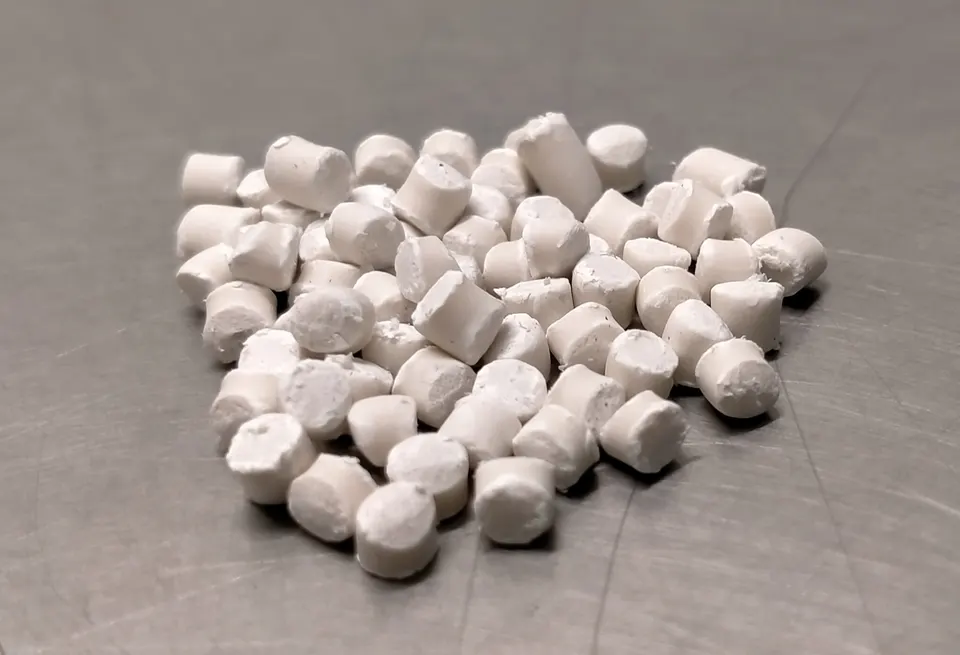
White carbonate masterbatch pellets

02

Masterbatch

Filler masterbatch carries a high loading of calcium carbonate in a polymer carrier. It is then blended into film, mouldings and other plastics to reduce the amount of resin needed. Coated powder is preferred because it mixes into the polymer and resists moisture.

Benefits

  • High filler loading
  • Less resin per tonne of product
  • Moisture resistant coating

Recommended grades

Paint roller applying orange paint to a brick wall

03

Paints and coatings

In paint, calcium carbonate is an extender pigment. It adds bulk and brightness and lowers the cost of the formulation. Finer grades give a smoother film, while coarser grades suit matt finishes.

Benefits

  • Lower formulation cost
  • Brightness and whiteness
  • Smooth film from fine grades
  • Control of matt level
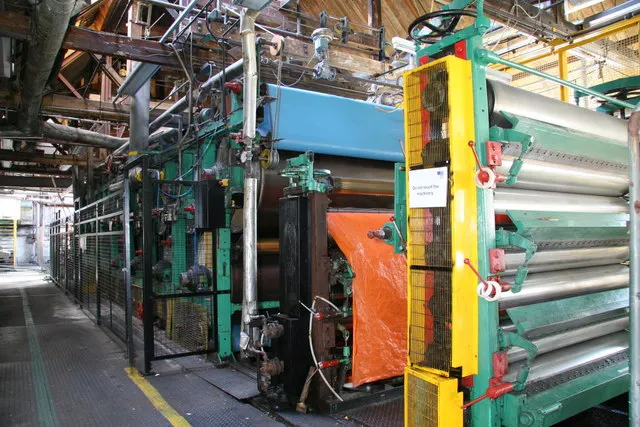
Paper making machine inside a mill

04

Paper

Calcium carbonate is used as a filler in the paper sheet and as a pigment in paper coatings. It raises brightness and opacity and reduces the amount of costly fibre required. Fine, white grades are used.

Benefits

  • Higher brightness
  • Better opacity
  • Lower raw material cost
  • Smoother surface
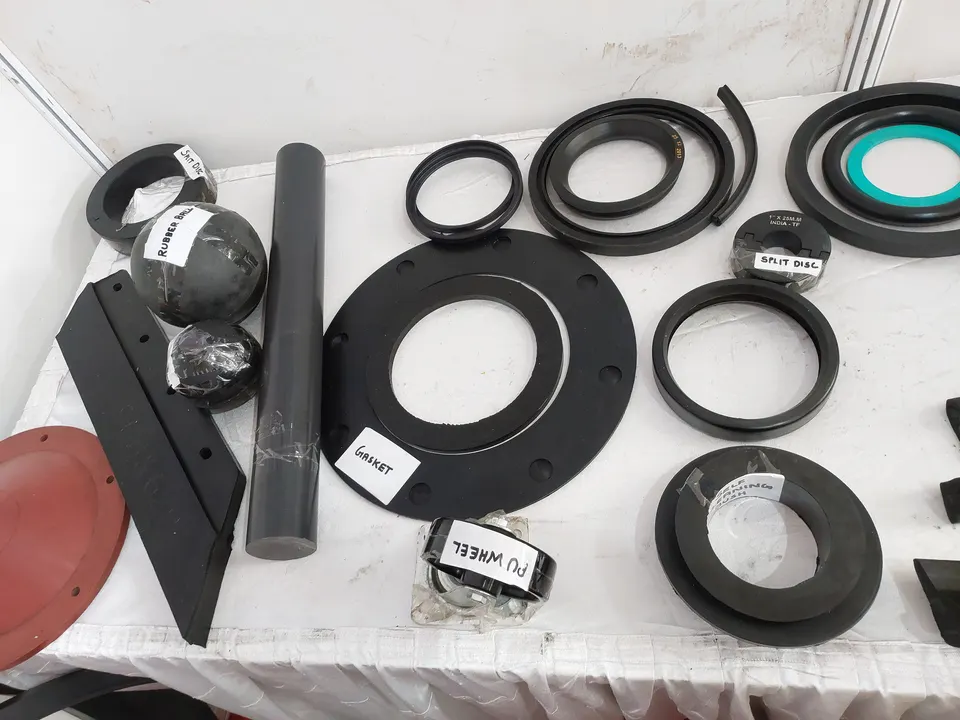
Assorted black rubber gaskets and seals laid out on a table

05

Rubber

Calcium carbonate is a non black filler for rubber compounds. It adds bulk, lowers compound cost and keeps the colour light where carbon black is not wanted. It does not reinforce rubber the way carbon black does.

Benefits

  • Lower compound cost
  • Light coloured compounds
  • Easy to mix

06

Adhesives and sealants

In adhesives and sealants, calcium carbonate is a filler that adds body, helps control viscosity and flow, and lowers cost. Fine grades give a smooth finish, and coated grades mix well into polymer based systems.

Benefits

  • Body and viscosity control
  • Lower cost
  • Good whiteness
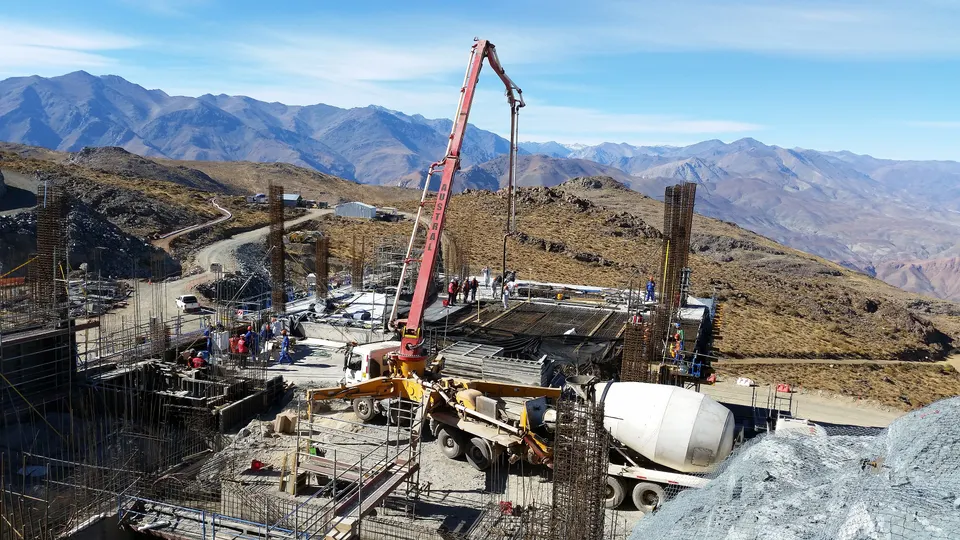
Concrete being poured at a construction site in the mountains

07

Construction materials

In wall putty and tile adhesive, fine calcium carbonate gives a smooth, white finish and good workability. Ground limestone is also used as an extender in cement and concrete mixes. Sized chips serve terrazzo, artificial stone and landscaping.

Benefits

  • Smooth white finish
  • Workability in putty and adhesive
  • Extends cement mixes
  • Decorative stone from chips
Ceramic tiles with a blue, green and orange pattern on an interior wall

08

Glass and ceramics

In glass making, limestone supplies calcium oxide, which makes the glass more durable and easier to work. In ceramics, calcium carbonate acts as a flux and filler in tile bodies and glazes.

Benefits

  • Durable glass
  • Flux in ceramic bodies
  • Filler in glazes
Tractor spreading agricultural lime across a field

09

Agriculture and soil conditioning

Ground calcium carbonate is spread on acidic soil as agricultural lime. It raises the soil pH and supplies calcium to crops. Finer grades react faster, and coarser grades last longer in the soil.

Benefits

  • Raises soil pH
  • Supplies calcium
  • Improves nutrient availability
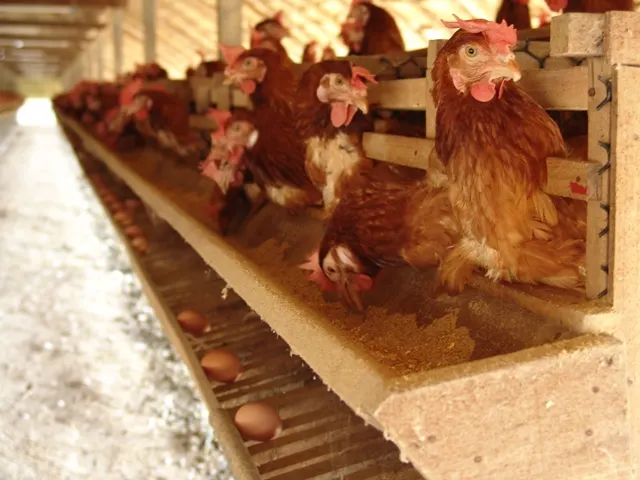
Hens feeding at a trough inside a poultry house

10

Animal and poultry feed

Calcium carbonate is a source of calcium in animal and poultry feed. Laying hens need calcium for eggshell formation, and sized chips and granules are used as grit. Buyers confirm their feed specifications and local rules before ordering.

Benefits

  • Source of calcium
  • Supports eggshell formation
  • Sized grit
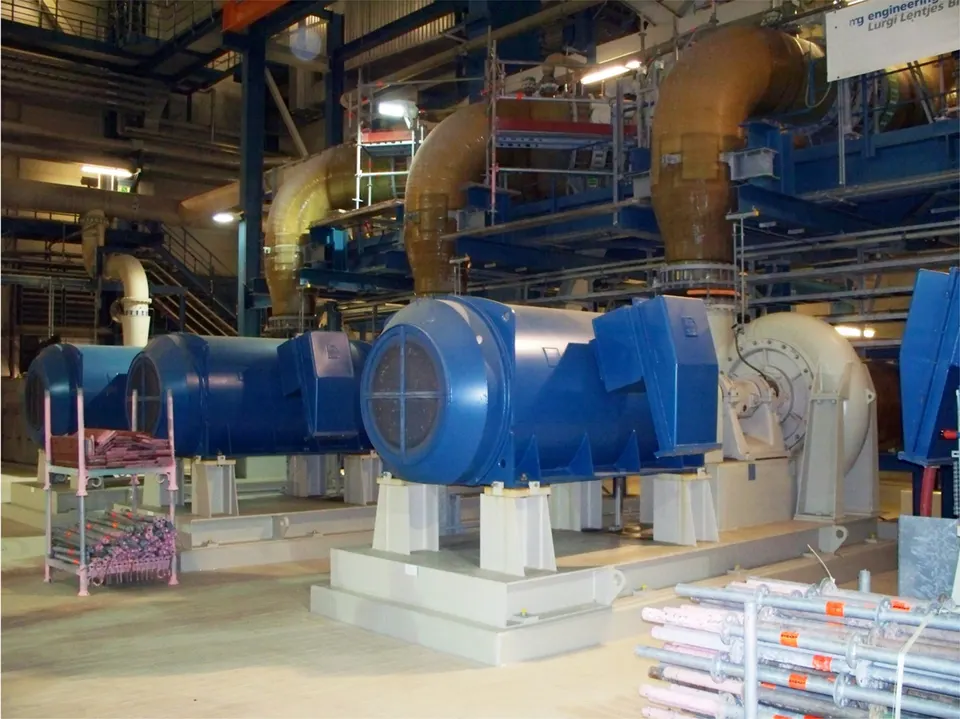
Large blue fans and ducting in a flue gas treatment plant

11

Water treatment and flue gas treatment

In water treatment, calcium carbonate neutralises acidity and raises pH. In flue gas desulfurisation, a limestone slurry reacts with sulfur dioxide in the gas, and the reaction forms gypsum.

Benefits

  • Neutralises acidity
  • Captures sulfur dioxide from flue gas
  • Low cost reagent

Tell us what you need and we will send a quotation.

Send the product, grade, quantity and destination port. A technical data sheet and certificate of analysis are provided with every quotation.